


From updated ASTM standards to increased scrutiny around emerging contaminants, environmental due diligence in commercial real estate is evolving rapidly. For buyers, lenders and investors, the stakes are high: overlooking a property’s environmental history, particularly subsurface conditions revealed through soil testing, can delay closings, increase costs or create long-term liability.
While records reviews and site inspections remain important, soil testing is often the critical step in confirming whether a property carries hidden environmental risk. Conducting thorough evaluations early, especially when subsurface exposure is a concern, is essential to informed decision-making and helping ensure that transactions stay on track in a competitive market.
Environmental due diligence remains foundational
Phase I Environmental Site Assessments (ESAs) continue to be a standard requirement for most commercial acquisitions and financings, helping identify potential environmental risks before closing. Lenders routinely require these assessments, and timing is critical; outdated reports can stall transactions at key moments.
However, Phase I ESAs are largely non-invasive. They rely on historical research, site observations and regulatory database reviews, which means they can indicate risk but not confirm it.
When potential concerns are identified, or when a property’s historical use suggests elevated risk, stakeholders often move to a Phase II ESA to better understand subsurface conditions. A Phase II is typically triggered when a Phase I identifies a Recognized Environmental Condition (REC)—the presence or likely presence of hazardous substances or petroleum products.
Common triggers include:
- Prior operations involving manufacturing, dry cleaning or chemical storage and handling
- Historical tenants with environmentally sensitive operations
- Evidence of existing or former underground storage tanks, fueling areas, or petroleum infrastructure
- Visual observations such as soil staining, chemical odors, or records of spills
- Regulatory database hits indicating the property or an adjacent site is listed on a state cleanup program or hazardous waste list.
Waste handling and disposal indicators such as drains, pits, lagoons or evidence of improper waste management are also common Phase I findings that prompt further investigation. So too are PCB transformers, legacy electrical infrastructure or building materials associated with contamination. Off-site migration concerns, such as proximity to known contaminated neighbors like gas stations, dry cleaners or industrial users, can equally necessitate Phase II testing.
Redevelopment activity has also increased the importance of subsurface evaluation. As older industrial and commercial properties are repurposed, soil testing is often necessary to assess contamination from prior uses and determine whether remediation is required before development can proceed.
Updated standards shape expectations
Environmental professionals are now operating under ASTM E1527-21, which replaces the previous E1527-13 standard. The updated framework provides clearer guidance on identifying recognized environmental conditions (RECs), assessing historical use and documenting data gaps. It also places greater emphasis on emerging risks and helps improve consistency in how findings are defined and communicated.
At the same time, per- and polyfluoroalkyl substances (PFAS), or “forever chemicals,” are a growing and increasingly formalized focus. These compounds are often detected through soil and groundwater testing rather than surface-level assessments. Importantly, this area of due diligence has evolved significantly.
In July 2024, the EPA designated PFOA and PFOS as CERCLA hazardous substances, which means PFAS now falls within the scope of All Appropriate Inquiries (AAI) and the ASTM E1527-21 standard. As a result, PFOA and PFOS must now be considered as part of a standard Phase I ESA and not merely as an optional add-on.
Buyers and lenders are increasingly requesting broader PFAS evaluation, particularly for sites with industrial, manufacturing or firefighting histories, where additional compounds beyond PFOA and PFOS may also warrant testing.
Soil testing provides critical confirmation
When a Phase I ESA identifies potential concerns or stakeholders are looking for additional clarity about a property’s environmental state, a Phase II ESA is often recommended. These assessments involve sampling soil, groundwater or building materials to confirm whether contamination is present and to define its extent.
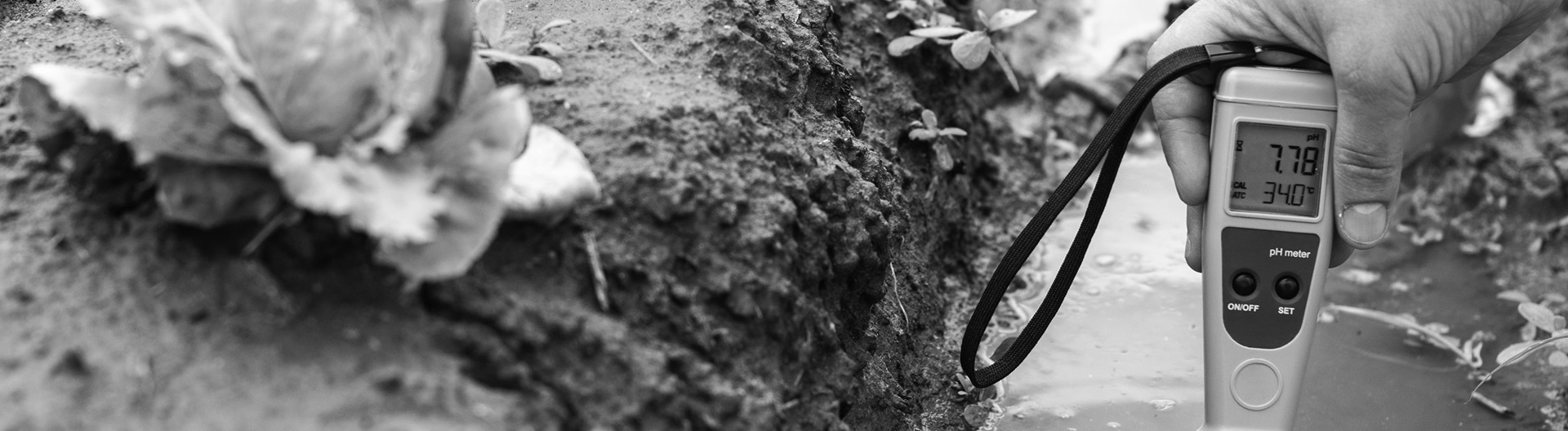
Soil testing plays a central role in this process. Depending on site conditions, this may include soil borings, test pits or other subsurface investigation methods designed to evaluate contamination at various depths. Testing typically targets contaminants such as petroleum hydrocarbons, heavy metals, chlorinated solvents and, increasingly, PFAS.
This information is critical for evaluating cleanup obligations, estimating costs and supporting negotiations between buyers, sellers and lenders. In practice, findings from soil testing can influence purchase price adjustments, escrow structures or remediation responsibilities, and may impact transaction timelines depending on the complexity of the issue.
In some cases, results may lead to additional steps such as remediation planning, engineering controls or further site investigation. Having this clarity before closing allows all parties to move forward with a more complete understanding of the risk.
Regulatory thresholds play a role
Soil testing results provide tangible data on subsurface conditions, helping determine whether contaminants exceed applicable regulatory thresholds and clarifying the scope of any environmental exposure. These thresholds vary significantly by state, and there is no single national cleanup standard. The EPA provides Regional Screening Levels (RSLs) as a reference point, but they are not enforceable cleanup standards.
Instead, each state sets its own enforceable thresholds based on a range of factors. Land use assumptions are a major driver. Every state distinguishes between residential and commercial or industrial standards, with residential use applying the most stringent levels due to assumptions about children’s exposure and long-term occupancy.
The same soil data can require cleanup in one state but not another, and the same site may require remediation for residential reuse but not for continued industrial use. States also set thresholds based on multiple exposure pathways, including direct contact, vapor intrusion, migration to groundwater and surface water runoff.
Groundwater protection in particular drives stricter standards in many Northeast states and those with potable groundwater considerations. Adding further complexity, regulatory standards continue to evolve as toxicological assumptions are updated, and a site that meets current standards may face new obligations if thresholds tighten, especiallyfor PFAS and vapor intrusion. Some states also offer flexible, risk-based closure options through voluntary cleanup programs, while others maintain more conservative requirements.
Environmental risk management is expanding
While Phase I and Phase II ESAs help identify and quantify risk, they do not eliminate it. As a result, organizations are increasingly supplementing environmental assessments with broader risk management strategies to include incorporating environmental liability insurance alongside contractual protections such as indemnities, warranties and escrows. These tools help manage financial and legal exposure while providing greater certainty for all parties involved.
Soil testing results can play a direct role in shaping insurance outcomes. When a carrier reviews soil data, they are evaluating several key factors.
- How detected contaminant concentrations compare to applicable regulatory thresholds. Results below applicable standards represent lower concern, while those that are above typically trigger regulatory liability.
- The type of contaminant matters significantly. For example, petroleum hydrocarbons tend to be more predictable and insurable, chlorinated solvents such as PCE and TCE carry higher severity, heavy metals present land use-driven exposure concerns, and PFAS introduce high regulatory uncertainty that often results in exclusions or sublimits.
- The extent and delineation of contamination shapes underwriting outcomes. Localized contamination is a manageable risk, while a migrating plume extending beyond site boundaries may result in a declined submission or heavily structured coverage.
- Underwriters focus on pathways of exposure. The same contamination with no viable exposure pathway may be insurable, while vapor intrusion risk can become a major underwriting issue.
- Regulatory status of the site, whether it is reportable, enrolled in a state cleanup program, fully closed, or carrying ongoing obligations, determines whether coverage addresses known conditions, unknown future conditions or both.
More testing can help placement
One of the most valuable dynamics to understand is that more thorough testing can actually help placement.
- Well-delineated contamination reduces uncertainty and enables structured coverage.
- Partial or unclear data creates pricing uncertainty that underwriters treat more aggressively than known risk.
If a buyer has Phase II results prior to closing, the findings can also be used to structure the sale itself—requiring the seller to escrow funds for cleanup, adjusting the purchase price, or securing coverage structured as excess of indemnity to protect against the prior owner defaulting on cleanup obligations.
Amwins can help
Environmental due diligence is essential, but it can become complex as site conditions, lender requirements and insurance considerations intersect—particularly when soil testing uncovers unexpected conditions. Starting the process early can help avoid delays, reduce uncertainty and support smoother transactions.
Amwins works with clients to navigate these challenges, aligning environmental assessments, including soil testing strategies, with insurance solutions to help protect investments and keep deals moving forward.