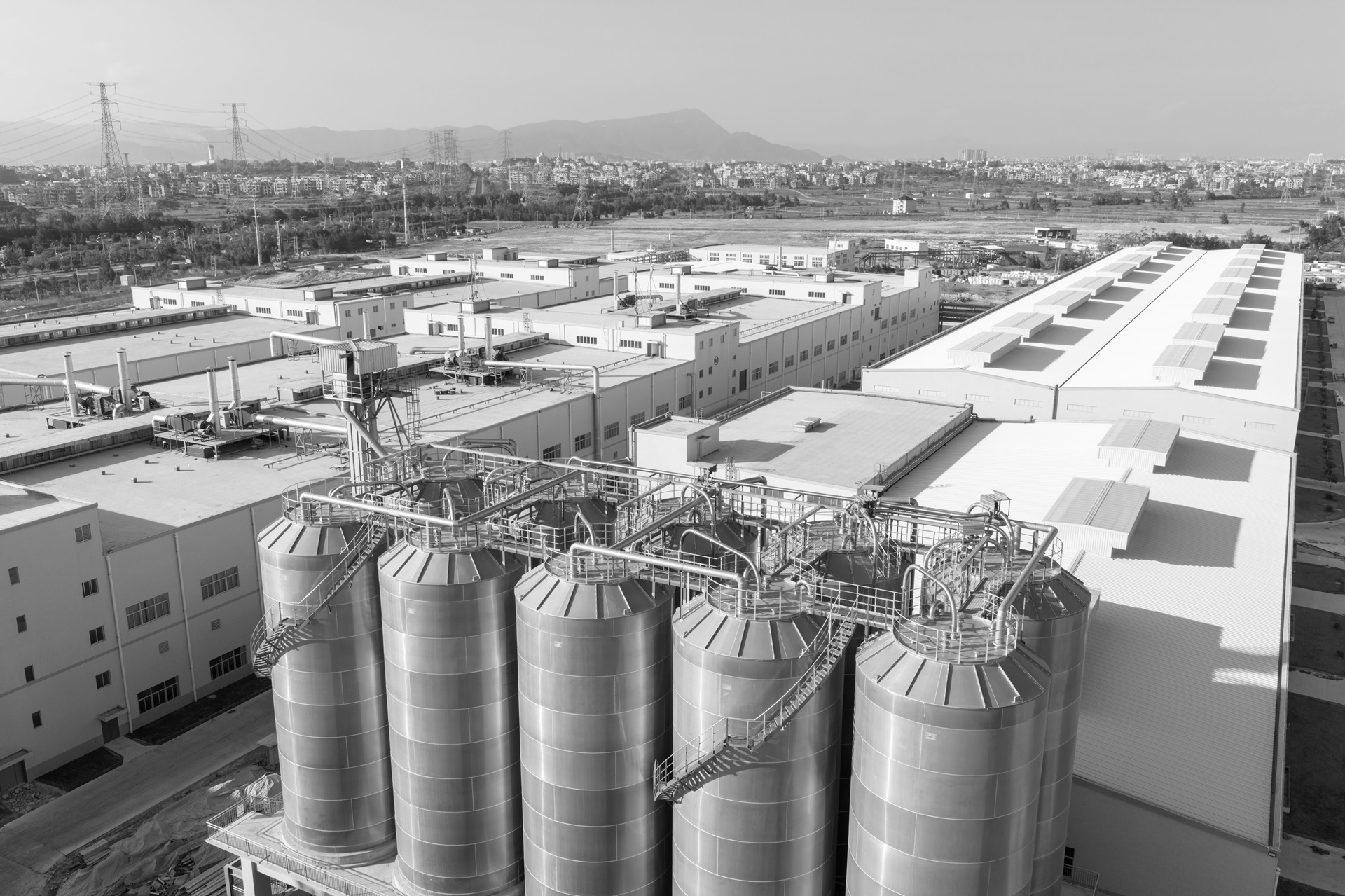



The protein property market looks very different today than it did even two years ago. What was once a hard, capacity-constrained class dominated by excess and surplus (E&S) lines carriers has loosened considerably, with new MGAs, syndicates and carriers entering the space and increasing competition across many layers of the tower.
That does not mean the class has become uniformly easy to place. Friction persists at the top of the tower, business income and extra expense valuation expectations remain strict and the same catastrophic loss potential that drove the last hard market is still capable of triggering the next one.
Two cycles, one class
Beginning around 2019, admitted carriers began exiting poultry and broader protein processing risks, pushing more of the business into E&S. The resulting hard market persisted for several years, but capacity has gradually returned as new markets have entered the class and existing participants have become more willing to compete.
That shift has increased competition across primary and lower excess layers, giving brokers and insureds more leverage in negotiating pricing and terms. The top of the tower tells a different story. High excess capacity has tightened, with reduced line sizes, restricted indemnity and sublimited extra expense.
The result is a market that has softened considerably from the ground up — with rates down in the double digits overall, though every account differs — while remaining firm, and in some cases more restrictive, at the highest layers. More capacity overall has not necessarily translated into larger individual carrier lines, as markets continue to maintain disciplined maximum line sizes.
Some accounts remain in the admitted market
Risk quality and engineering remain important factors in determining whether an account can retain admitted-market participation or must move into E&S. Newer construction with modern protection systems is the clearest path to favorable terms with an admitted carrier. Longstanding carrier relationships and favorable account history can also support continued admitted-market participation when a carrier has developed familiarity with the risk and confidence in its management.
Accounts that do shift to non-admitted (E&S) coverage may experience rate changes. In some cases, premiums may go up but at the same time, could see enhanced coverage. A single admitted policy can become a layered placement across numerous E&S carriers, increasing the potential for non-concurrent coverage forms at the time of a claim.
Four things become particularly important during that transition:
- Verified property values, ideally supported by industrial appraisals.
- A completed business income worksheet.
- A clear and documented explanation of extra expense exposure.
- A business continuity plan to help reduce business income and extra expense losses.
Terms remain negotiable, with one exception
Retentions have not been a major point of friction in this class. Blanket and blocking limits can be, however, given how sharply protein revenue and business income can swing in a commodity-driven business. Without adequate blanket coverage, an insured risks effectively self-insuring a partial loss.
Extra expense terms remain one of the few areas where negotiation is particularly difficult at the highest excess layers. Nearly every other term remains open to discussion, although flexibility depends heavily on an account's recent loss history. An insured that recently experienced a sizable wind, hail or fire loss has little standing to negotiate a lower deductible or retention at the next renewal.
Valuation discipline has not loosened with pricing
Even as terms and pricing have eased, carriers continue to expect rigorous valuation work. Well-managed accounts typically:
- Maintain a regular appraisal cycle on machinery and equipment
- Complete business income worksheets annually
- Keep COPE (construction, occupancy, protection and exposure) data current, with appraisal and engineering work completed well ahead of renewal
That discipline reflects a broader push that began several years ago to close the gap between reported values and actual replacement cost. Underreported values can leave both insureds and carriers exposed when a major loss reveals that available limits do not reflect the true replacement cost or the cost to rebuild.
Margin clauses and blanket limits can help offset that risk, but often work best as a complement to accurate reporting, not a substitute for it.
Pricing has decreased
Rate activity in this class has generally moved in the buyer’s favor. Current placements are often seeing meaningful rate decreases, with the most significant reductions occurring when a new broker takes over a previously mispriced account.
The broader softening has been driven by increased competition, as well as an influx of capital and carrier appetite into the class. How much pricing moves on an individual account, however, continues to depend heavily on loss history, risk quality, incumbent relationships and the structure of the existing program.
It’s important to note that current market softening may not continue indefinitely. As rates decline while carriers maintain established maximum line sizes, premium generated by each participating carrier shrinks. Some transactions are beginning to approach practical minimum premium thresholds, which could further slow rate decreases – even without a change in underlying loss experience.
A major catastrophe or significant fire loss could quickly tighten capacity, particularly at the top of the tower. Conversely, renewed admitted-market appetite could add further competition and extend current softening.
For now, the market remains favorable for buyers, but strong risk quality, accurate data and thoughtful program structure continue to matter.
Takeaway
Much of the current market environment is outside an insured’s control. Capacity, carrier appetite and overall pricing are driven by market forces. What insureds can control is the quality of their data, their approach to risk management and how much risk they are willing and able to retain.
Verified values, clean engineering reports and documented compliance with carrier recommendations can help position accounts for favorable treatment from underwriters. An insured’s willingness to retain more risk through higher deductibles or retentions can provide additional leverage at renewal, depending on risk tolerance and balance sheet strength.
We help you win
From single-location growers to the largest integrated processors, Amwins equips retail partners with specialists who understand the unique loss dynamics of poultry and protein processing risk.
Our brokers place property, business income and extra expense coverage across admitted and E&S markets, helping retail partners navigate complex layered placements, valuation requirements, blanket and margin clause terms and the unique challenges of high excess capacity.
In a market where competition has increased but capacity is not evenly distributed across the tower, that expertise matters. Amwins helps retail partners understand where the market is truly competitive, where restrictions remain and how to position each account for the strongest possible outcome at renewal.