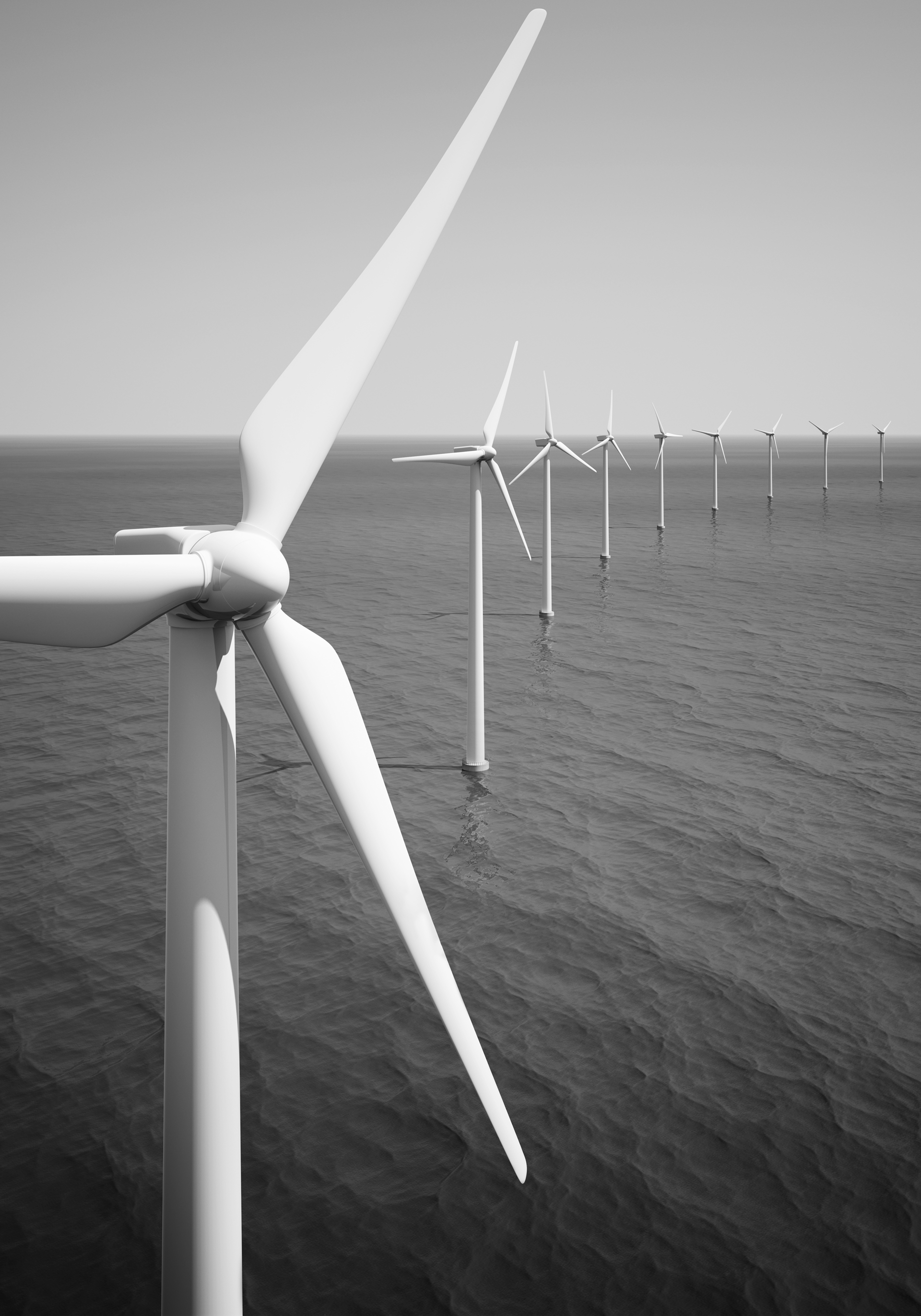



Aging equipment, land constraints and changing approaches to renewable energy development have resulted in more construction activity around existing wind, solar and battery assets. As a result, there has been an overall uptick in contingent business interruption (CBI) claims involving damage to non-owned transmission infrastructure.
Rapid growth is reshaping risk
The rapid growth of co-located renewable energy developments, hybrid energy projects and the repowering of existing sites is increasing activity around live electrical and power export infrastructure. Driven by constrained grid capacity and the growing value of existing network connections, developers are increasingly seeking to expand, optimize or share established infrastructure rather than develop entirely new connections.
While this approach can improve project economics and help accelerate deployment, it can also increase the potential for accidental damage during construction. For example, existing underground export cables may be damaged by heavy construction equipment during neighbouring developments.
Additionally, the overall aging of grid equipment has resulted in failures related to end-of-life parts and componentry. Losses arising from the integration of additional generation or storage capacity into existing electrical infrastructure, where transformers and substations have subsequently failed once new connections became operational, have been reported.
Third-party infrastructure impacts business interruption
Accidental damage during construction can lead to revenue losses for owners of live assets damaged by neighbouring construction activity, as well as potential claims for damage to existing property while new sites are being built.
However, unlike conventional business interruption losses, these types of projects have little control over the speed at which damaged third-party infrastructure is investigated and repaired. Delays in establishing root cause, determining liability and prioritizing repairs by network operators can significantly extend the period during which power export remains unavailable.
While CBI insurance is designed to protect project owners against revenue losses arising from damage to non-owned infrastructure, cover often remains dependent on the underlying property damage claim. If investigations conclude that losses were the result of excluded defects or other policy limitations, subsequent loss of revenue claims may be impacted.
Takeaway
As renewable energy infrastructure becomes more concentrated, there has been an increase in construction activity around operational assets. Whether that’s through the addition of battery storage, hybrid developments or the repowering of existing sites, the opportunity for accidental damage to export cables, substations and other transmission assets has grown.
The majority of new projects are planned and delivered successfully, but if something does go wrong, the resulting losses can be significant. Power export may be interrupted for an extended period of time while the underlying cause is investigated and repairs are completed.
We help you win
Amwins Energy, Power and Infrastructure specialty brokers understand the diverse risks your insureds face. We know how important it is to focus on the interdependencies between CBI and physical damage before construction begins.
Contact your Amwins broker today to learn more about how we can work with you to power energy solutions for accounts of any size, complexity and geography.